Friday, March 14, 2014

Thursday, March 13, 2014
Texas Hardcore

Growing up in central Texas, just west of Austin, the self proclaimed “Live Music Capital of the World”, seeing live music shows was often what me and my friends did for entertainment on the weekends. Thank god our parents were ok with us at only 14-18 going to the city by ourselves night after night to go to these shows or I don’t know what we would have done. The main genre that we went to see, and one that was very dominant in the area, were those of Post-Hardcore and Metal as well as all of their constantly emerging subgenres. The best part about these shows was the variation of bands that played in a single concert, the first usually a local artist that was trying to make it big. Many of my friends were in groups like this, so when we weren’t at big shows, we were watching them play.
The scene in Texas has evolved to produce just about every subgenre of post-hardcore and metal, such as Pantera, Scale the Summit, Juggernaut, and Helstar, who is considered influential in the evolution of Power Metal, for metal bands and it’s sub-genres. Then there is Texas in July, At the Drive in, Flyleaf, and Upon A Burning Body for Post-Hardcore, all of which are from Texas and most of which are from central Texas, such as San Antonio and Austin. Many of the groups of today coming from the area are somewhat of a mix of these two genres in one way or another. Metalcore, death metal, grindcore, Technical death metal, Melodic death metal, Melodic hardcore, Progressive hardcore, progressive death metal, screamo, Thrash metal, and others are all represented. Over the years, these genres have all evolved from hardcore punk bands like Scratch Aid, who was one of the original hardcore punk bands that sprouted up in Austin and was a vital part of the push forward to create post-hardcore that we hear today.
Many people think that as punk artist’s such as Scratch Aid, moved forward in their career’s, they wanted to advance their music as well, adding more technical aspects and styles from other genres for more of a challenge as well as to create sonic elements that broke the rules of what was expected of them, an idea that lied at the core of the entire punk culture. They often times booked their own shows, acted as their own management, paid for their own recordings, and did everything themselves. This explains why they worked so hard to keep making music that was essentially unique to that group, because they wanted to stay away from that “generic” sound that comes with an official labeling of a particular genre, such as the umbrella-like-genre that post-hardcore has become, encompassing so many different sounds.
This broad labeling of sounds has led to lots of controversy among the bands themselves and how they are labeled. Many of them hate the way that they’re labeled or just don’t give a shit. This fact and the similarities between sub-genres make it almost impossible to truly label a group under one title, and causes lots of arguments throughout the fans, especially region to region. For example, areas such as Chicago, D.C., and San Diego all underwent a movement that was considered a major step forward for the genre overall. The most recent of which was the San Diego Sound movement that contributed to making post-hardcore sound the way that it does today, or so the media thinks.
Metal music is similar to many post-hardcore but can be identified by the low, deep growls and gory lyrics, as well as socially aware lyrical subjects, which is the issue of some philosophical debate that is for another discussion, as well as occasional high screams, mixed with fast-paced, technical guitar pieces, and deep heavy bass. Like I mentioned, some of these traits, such as fast, technical guitar rifts, are shared with post-hardcore, causing some confusion about where to place most groups and has thus furthered the controversial debate about the sub-genres of this style of music.
longevity

De la soul has had a seemingly impossible career in hip-hop. Spanning 25 years now, they have not only been successful in an industry that has one hit wonders and flashes in the pan a'plenty, but in a genre of that industry that once was considered simply a fad and soon to be replaced by a more respectable and regarded musical iteration such as jazz or punk rock. The most interesting thing about the span of their career, is that although they have adjusted to the times in order to maintain relevance, the core of their messaging as been the same. One does not have to conform or bend to societies popular tropes and memes, one can simply convey what they feel and who they are, from the soul.
New Generations of Producers

The development of Web 2.0 has created a digital audio platform for producers to reach large audiences across the world from the comfort of home studios. Producers are also making all different types of music that can't possibly be categorized in traditional genre platforms. Much of the music is a reflection of the continued profound impact of technology on 21st century artists.
Minimal Wave
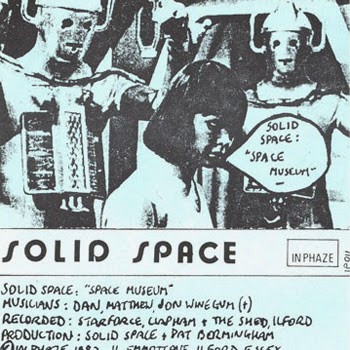
The year is 1980 a steady pulse from an analog drum machine beats hard and slow... analog synthesizers appear from the dark shadows dancing over the drum machines. Minimal Wave electronic music is being born. With many musicians being inspired by Kraftwerk and John Fox.
Mainly characterized by minimal musical structures, the sound of Minimal Wave was hallmarked by the use of the analog synthesizers and drum machines that were manufactured in the 1970s and 1980s by Roland, Korg, Yamaha, ARP, Linn, Oberheim, Moog and Sequential Circuits. Bed room producers recording electronic music to cassette tape is happening in France, The Netherlands, Germany, North America and Japan.
There is also a resurgence in this genre happening across the world at this time. Many people are wanting to return to a more pure, older way of writing and recording music. Music can be made so easily through a computer using ableton or garageband. The return to analog machines is a nod to the past and in some way tougher, harder way of writing and producing.
Many of the Minimal Wave bands recorded in their home studios and created their own album artwork, which naturally paved the way for a D.I.Y. aesthetic to emerge. At this time DIY meant something different than it does now. Information was harder to come by and word of mouth was how things would spread. The musicians were influenced by avant-garde movements such as futurism and constructivism as well as by the literature of science fiction and existentialism. They had an innovative, unique approach to music-making, which was less polished than the music that appeared on mainstream charts during the same time period.
Storytelling

Human beings are unique in the versatility and creativity with which we communicate ideas to each other. One of the most basic and fundamental techniques of sharing ideas is through the telling of stories. Telling our stories to each other is our way of connecting to other human beings by sharing our experiences. Over the centuries the platforms through which we tell our stories has changed, and recently new platforms have opened up thanks to the Internet, providing new opportunities for people to share their stories. Here I will highlight two such programs: The Moth and StoryCorps. I will also be sharing my ideas on what makes storytelling so fundamentally important to human lives.
Captured Emotion:The Digital Age and Authentic Music
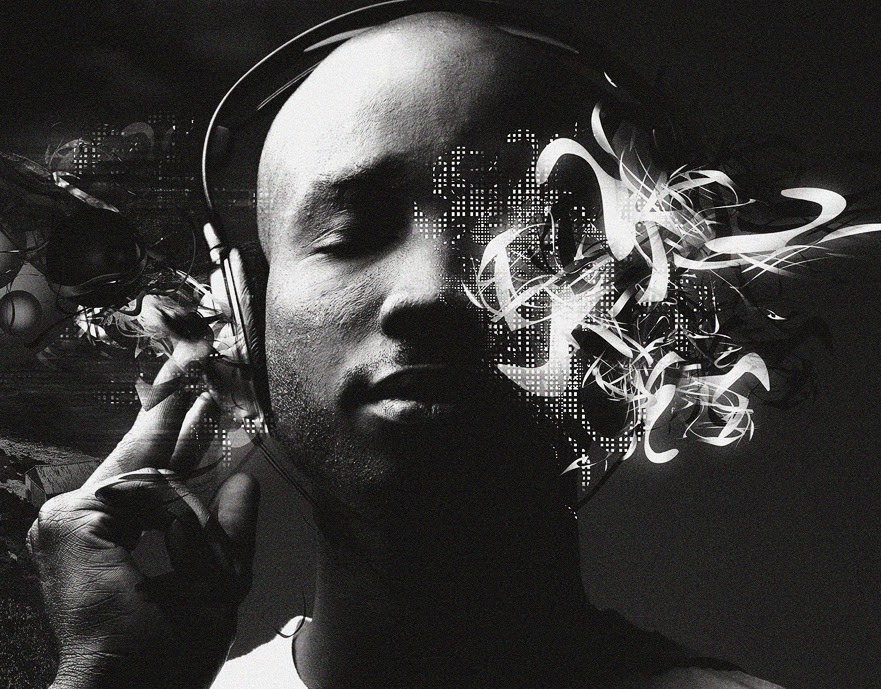
A brief introduction to the importance of recording and listening technology, its role in the evolution of a variety of vocal styles, and the universally sought experience of emotionally authentic music.
Hundreds of years ago, judging the quality of a musician or vocalist depended upon how easily and accurately they could reproduce a piece by Bach or Handel. Whether playing or singing, it was expected that “good” meant proficient at hitting the right notes at the right times. But then some incredible advances in recording technology came about, that completely revolutionized the way artist and audience interacted. Introducing the microphone, a tool that has become as key to the musical artist as a paintbrush is to a painter. Enabling the recording of both extremely loud and extremely soft sounds, microphones allowed singers a much greater range of emotions (particularly more’ vulnerable’, quiet emotions) and encouraged heavy creative exploitation of the device, as individual artists sought to carve out new and unique niches in the sound world. This, in combination with the simultaneous evolution of listening technology into similarly intimate zones (the home & even the listener’s own headspace) has increased our emphasis, as a society, on emotional authenticity in a performance; We want to get inside the artists’ headspace the same way they are in ours, sharing an authentic expression of emotion borne of the artists’ desire to draw us into view of the humbling sphere of the human experience.
For Sound Cultures 2014.
Subscribe to:
Posts (Atom)